
- January 3, 2020
- Posted by: admin
- Category: Blogs

We live with the conviction that security is the responsibility of others, in particular the authorities who have the inescapable duty to protect us from all threats. Despite this being partially true, the role that as a person has in this of security is no less relevant.
Health, safety and sustainability are words that put the weight of the action on the subject and the collective. Each of us must have a lifestyle that is safe and healthy. In all of this the responsibility of the group is to be aware of any natural or induced risk that may arise in order to avoid it where possible, or minimize its impact.
And it is from this common effort that we will refer to the end of the year celebrations that have global reach. In particular, emphasis is placed on what we must do to have a safe holiday for us and the environment.
The Holidays are not always synonymous with joy or health
Curious is the fact that during the time called for joy and happiness, more than 6 out of 10 Americans say they are worried about the pressures of “gifts, trips, social outings or donations for charity” [1]. And this is associated with stress.
In fact, more than 50% of those who responded to the survey included in the above source indicated that they fear that they should spend above their financial capacity in order to meet other’s expectations when opening their gifts. This is usually limited to close relatives but in some cases include gifts for friends and related.
Moreover, what was already a cause of stress is now increased:
“What to give at the Parties is like trying to keep up with the Jones… Between Instagram and Pinterest, and other similar sites, people feel pressured to capture and upload the image of the perfect gifts on these special dates…”
So, without much thought, it seems that we have mounted a race to see who has the best decoration or who gives the best gifts. Adding stress to what was already stressful, only if one considers the explosive offer that saturates the attention and information processing capacity of the common person.
And this is particularly worrying if one takes into account that those who feel the most pressure are the parents with children under 18 years old [1]. They are young adults who are just beginning the process of consolidating their personal autonomy and financial needs. This population group leads a life saturated with stress precisely because of the financial pressure of beginning family life or starting as an independent adult.
And this worry overload takes its toll: stomach upset increases, as do cardiac pathologies (particularly myocardial infarction, cardiac arrhythmias, hypertensive crises, among others) and, cerebrovascular accidents, among others.
It should not be forgotten that about three years ago, an Australian group of researchers published, in the Journal of the American Heart Association, an article that pointed to the global increase in deaths due to cardiovascular causes (during the Holidays). They insist that this is not related to cold because the increase is global (therefore includes warm and temperate regions). This situation extends between December 24 and January 7, dates that were already indicated as risk in a study conducted in the USA [2, 3, 4].
Traffic accident deaths also tend to pick up, particularly on the first day of the new year [4]. Excesses in the intake of alcoholic beverages and excessive food consumption, also should be added to the list of things that can make Christmas / Hanukkah / New Year a bad season for anyone.
With the increase in alcohol consumption, acute alcohol intoxication increases too and with it the associated risks. Including the use of other substances that alter consciousness, we are facing a dangerous cocktail.
Hypercaloric and abundant foods explain the stomach upsets that many people experience these days. But the excess, for example nutmeg, can also lead to poisoning or accidental deaths. Food allergies are also a frequent cause of consultation precisely because of this lack of control in the aforementioned food intake or the consumption of foods that include mixtures of ingredients.
Prawns, shrimps, crabs, lobsters, among other sea delicatessen, are a frequent part of the list of products to have on the table during the Holidays. And with them the risks of intoxication appear, as well as the consumption of substances that, as additives or contaminants, are part of the product and transform them into a time bomb for health.
Antibiotics, probiotics, pesticides, heavy metals, are just some of the many additives that are ingested with each shrimp or seafood that was not properly raised or processed. Also, the biological risks involved must not be forgotten.
Given all this, prudence, moderation and common sense are imposed as antidotes against these and other risks described (or to be described). Above all, to think that these dates are for sharing and that doing so does not require large investments, or expensive gifts or food, you just need the natural disposition to genuinely dialogue and listen.
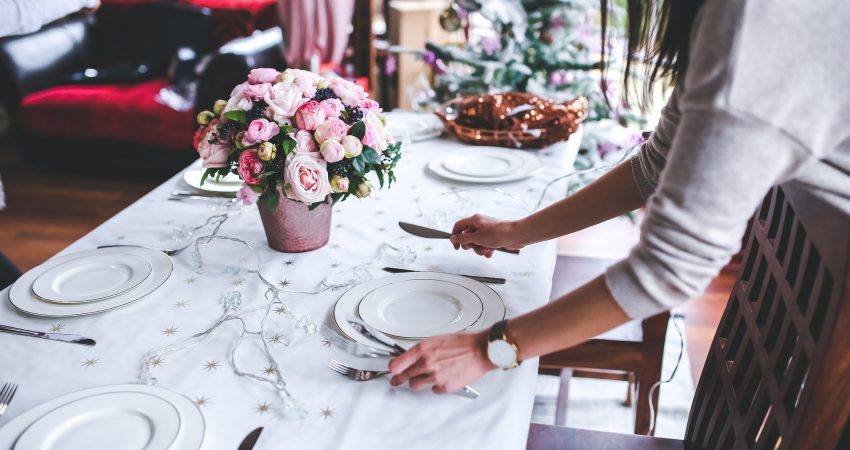
Holidays lit by firefighter lights
The image of a white Christmas has been made as a result of marketing: the image of Christmas! In the world. But behind the whiteness of the snow or under it lurk risks that once appear, often force you to call the emergency service or the fire department.
Let us think only of one of them: the custom of taking a conifer tree home and decorating it. But in doing so, it is forgotten that a natural source of flammable material is being introduced into the home that, in contact with the lights or candles that are usually placed in or around it, can trigger a fire.
In fact, Shendruck points out that in the period from 2011 to 2015 (only in the USA) the fire authorities reported a total of 200 cases of fires due to the “Christmas tree”, the most worrisome: “a quarter of the incidents were intentional” [4].
The Association itself that groups firefighters, in that same country, reported that between 2013 and 2017 they had to attend (on average) a total of 116 annual fires in houses related to the “Christmas tree”. To this are added three deaths for the same cause, 15 non-fatal victims and a cost in direct losses close to $ 10 million [5].
According to the same source, problems with the electrical distribution or defective equipment are linked to 44% of the fires on these dates, spanning between the New Year and January 3 (with a peak marked in the New Year). In 25% of the fires, a nearby heat source was located near the Christmas tree [5].
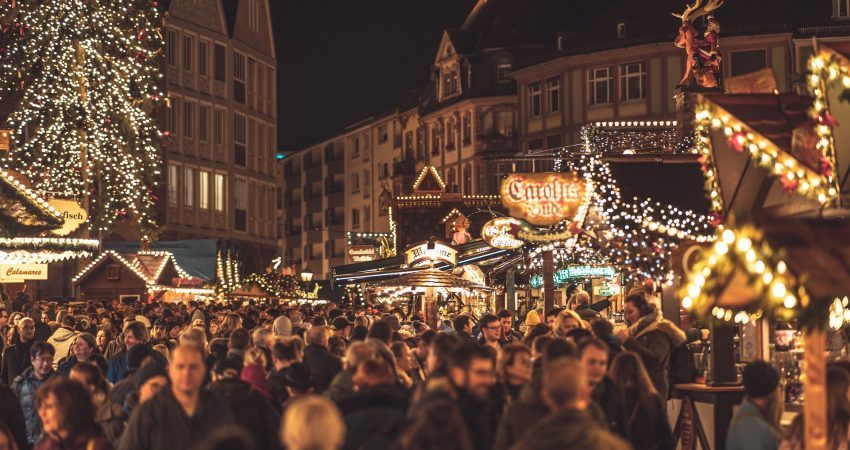
The FEMA (Federal Emergency Management Agency) in a 2015 report included the following data: cooking fires increase on Thanksgiving and Christmas, and then fall below average on the following days. In Hanukkah, Kwanzaa and New Year the incidence increases, now with structural type fires related to Christmas decorations, throwing a balance in losses greater than 34% on average compared to the rest of the year [6].
In addition to the risk of fire, there are also adults who fall off the roof while placing the lights or attempting to repair any defective extension, the risk of electrocution by contact with poor or damaged electrical materials, fractures of the toes by fall of artificial trees on them, and the risk for children that involve the colored light bulbs (in the form of sweets) that are usually used to decorate the trees (because they can be mistaken can accidentally ingest them) [5] .
It is also not possible to forget that the presence of snow and ice, in those regions where the low temperatures occur, increasing the risk of falls due to slipping, hypothermia and freezing injuries, or injuries when unwrapping gift boxes. These are only some of the things to keep in mind [5, 7].
Nor should the risk of poisoning from the consumption of mistletoe berries or the risk of suffocation that children and pets have from the consumption of small pineapples from the pines should be forgotten. There is also a choking risk in adults caused by ingestion of very large snacks or dried fruit pieces.
The risks definitely don’t know about Holidays
In the hustle and bustle of these days, we forget that diseases do not understand dates. It costs a lot to make diets, the exercise is postponed for the new year, the consumption of alcohol pushes the body to the limit and the pre-existing disorders now tend to generate crises.
But the human approach of these days, full of hugs and kisses, is half conducive to the spread of infections. In the countries of the north it is the time of seasonal flu (and the common cold) and with these practices, passing of germs is facilitated. In this sense Lisa Ballehr [8] confirms that:
“Both the common cold and the flu are spread by direct contact with the one who is infected…”
Hence, the fact that viruses circulate during this period due to more social practices that involve contact, there can be no different result than new infections. So, in the list of things to do before or during the holidays, a check should be included for all the suggested vaccines and in times of anti-vaccines is not a simple task.
Another frequent theme is what some call the “Christmas tree syndrome”, associated with the presence of fungi in natural pines. In fact, a study conducted found 53 types of fungi frequently colonizing these types of ornaments, 70% of them capable of generating clinically significant discomfort [8].
If you have a Christmas (natural) pine tree at home and you have itching, tearing, runny nose and general fatigue, you are probably presenting the aforementioned syndrome. Sometimes they can even trigger severe allergic symptoms with wheezing, shortness of breath, sneezing and coughing [8].
To all of the above, we add the frequent and uncomfortable “traveler’s diarrhea” that are usually associated with changes in eating habits, excessive intake, consumption of products in poor condition or contaminated or, because of some form of intolerance. Food contamination by biological agents that cause disease should be added to the list (case E. coli, salmonella, among others) [8].
A particular type of risk to keep in mind is related to anxiety or mood disorders, particularly depression, as well as seasonal affective disorder (SAD) or fatigue (associated with the excess of activities to be accomplished on these dates). It affects a significant number of people [8, 9].
In fact, it should not be forgotten that [9],
“For some, Christmas is conceived as time to share with family, give gifts and eat good food. But for those who may not have good memories of these dates or have lost a loved one recently, they are times of pain and sorrows”…
And it is time to think about the gift´s risks
On these dates, clothes, shoes, toys, food or drinks are usually gifted, as well as accessories, watches, jewelry, perfumes, among others, among the family. In contrast, for friends and relatives, candles, ornaments, soaps, clothes, gifts cards, gift baskets, desserts, etc. are preferred.
And with each of them we are or are increasing health risks. Plastics, petroleum products, oils, flavorings, preservatives, flavorings, sweeteners, dyes, are just some of the many chemical substances or mixtures that are present in the gifts we usually give.
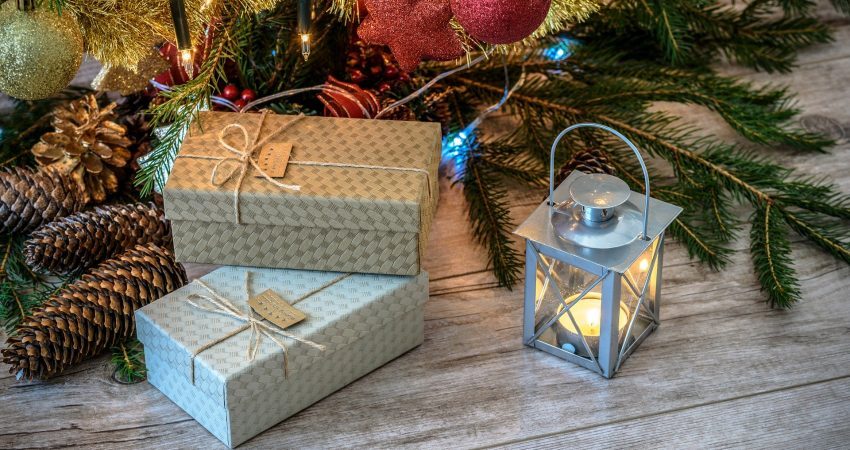
The list of potentially dangerous substances that are present in many of the things we give away, from clothing to machinery, include noniphenols, brominated flame retardants, phthalates, organostannic compounds, chlorinated paraffins, synthetic musk’s and bisphenol A, among many others [10].
These and other substances or mixtures can be found in cosmetics and cleaning products (phthalates, synthetic musk’s, organostannic compounds and triclosan), children’s toys (phthalates type plasticizers), sports shoes (organostannic compounds, phthalates, brominated flame retardants and triclosan), mobile phones and televisions (brominated flame retardants, lead, mercury, hexavalent chromium, phthalates, organostannic compounds, among others) [10].
The adverse effects range from irritation, through allergic reactions, to disorders related to endocrine disruption, reproductive toxicity, carcinogenicity. We have talked about this in previous articles.
The serious effects on aquatic fauna and the ecosystem in general should not be forgotten.
Preventing remains the most economical strategy
That is why we make our set of suggestions that the National Security Council incorporates as part of its strategies for public education. Actions that involve travel preparation, decorating safely, monitoring sources of combustion, keep in mind the risk of food poisoning and giving safe gifts [11].
Preparing for travel involves: having the vehicle checked before leaving and having preventive or corrective maintenance if necessary in advance, resting properly the day before leaving, leaving early and on time, enforcing the use of the seat belt by all companions, make frequent stops if the journey is long, avoiding distractions during the trip, designate a substitute driver if required.
To decorate safely, it is enough to: keep out of the reach of children all those potentially poisonous plants (mistletoe, holly berries, cherries of Jerusalem and amaryllis) as any ornament that can take to their mouth, if a natural pine is used ensure good hydration and dry out of the house, if you use an artificial tree check that is resistant to fire, in any case you must keep the Christmas tree at a safe distance from sources of heat or flame. Use extensions for lights as appropriate for interiors or exteriors, replace burnt light bulbs with caution, replace extensions in poor condition, use safe stairs for the time of placement of ornaments and lights, among others.
Monitoring combustion sources, puts us on alert when candles, fireplaces or heaters are lit. This involves annual maintenance in advance and keeping everything that exposes them to the risk of burns or poisoning. Special mention should be made to the use of pyrotechnic fires that should be an exclusive work of adults or trained personnel.
Avoiding food poisoning requires: hand washing before and after handling food, keeping raw meats away from processed ones, using different utensils for each product that is handled, using a cooking thermometer to ensure that the correct temperature is reached at When cooking, ensure proper refrigeration and food preservation. Prefer organic, is a good idea.
Finally, giving away safely puts us in the task of having to think about: type of gift according to the recipient, trying not only to satisfy his preferences and desires but also to give him something that will not make him feel sick.
And as we have said on other occasions, acting consciously and responsibly puts us on the right path of safety and sustainability.
Happy Holidays!
References
[1] García, A. (November 13, 2019). Survey: Holidays bring spending stress for most Americans in Bankrate. Recovered from https://www.bankrate.com/surveys/holiday-gifting-november-2019/. Access on December 20, 2019.
[2] López, M. (December 27, 2019). Christmas, time of increased cardiovascular mortality? In ABCEnfermedades. Recovered from https://www.abc.es/salud/enfermedades/abci-navidades-tiempo-mayor-mortalidad-cardiovascular-201612230957_noticia.html. Access on December 20, 2019.
[3] Rapaport, L. (December 28, 2016). Why Heart-Related Deaths Spike around Holidays in Scientific American. Recovered from https://www.scientificamerican.com/article/why-heart-related-deaths-spike-around-holidays/. Access on December 20, 2019.
[4] Shendruck, A. (December 21, 2018). Beware the holidays: All the ways Christmas and New Years can hurt you in Quartz. Recovered from https://qz.com/1498562/all-the-ways-christmas-and-new-years-can-kill-you-statistically/. Access on December 20, 2019.
[5] National Fire Protection Association. (2019). Winter holiday fire Facts in National Fire Protection Association Public Education. Recovered from https://www.nfpa.org/Public-Education/Fire-causes-and-risks/Seasonal-fire-causes/Winter-holidays/Holiday-fires-by-the-numbers. Access on December 20, 2019.
[6] FEMA. (January 2015). The Seasonal Nature of Fires. Recovered from https://www.usfa.fema.gov/downloads/pdf/publications/fa-236.pdf. Access on December 21, 2019.
[7] Bharanidharan, S. (December 14, 2018). Holiday Health Risks to Watch Out for in Medical Daily. Recovered from https://www.medicaldaily.com/holiday-health-risks-watch-out-428967. Access on December 21, 2019.
[8] Yuko, E. (December 12, 2019). The 16 Biggest Health Risks You Face on Christmas at BestLife. Recovered from https://bestlifeonline.com/christmas-health-risks/. Access on December 21, 2019.
[9] Golden, D. (November 19, 2019). Minimizing the holiday risks in MSR. Recovered from https://spokesman-recorder.com/2019/11/16/minimizing-the-holiday-risks/. Access on December 21, 2019.
[10] Greenpeace. (Without date). Guide to buy without toxic. Recovered from https://www.seapaonline.org/uploads/documentacion/Publicaciones/Gu%C3%ADa%20para%20comprar%20sin%20t%C3%B3xicos_Green_Peace.pdf. Access on December 21, 2019.
[11] National Safety Council. (2019). Enjoy a Safe Holiday Season on NSC website. Recovered from https://www.nsc.org/home-safety/tools-resources/seasonal-safety/winter/holiday. Access on December 22, 2019.