
- September 27, 2019
- Posted by: admin
- Category: Blogs
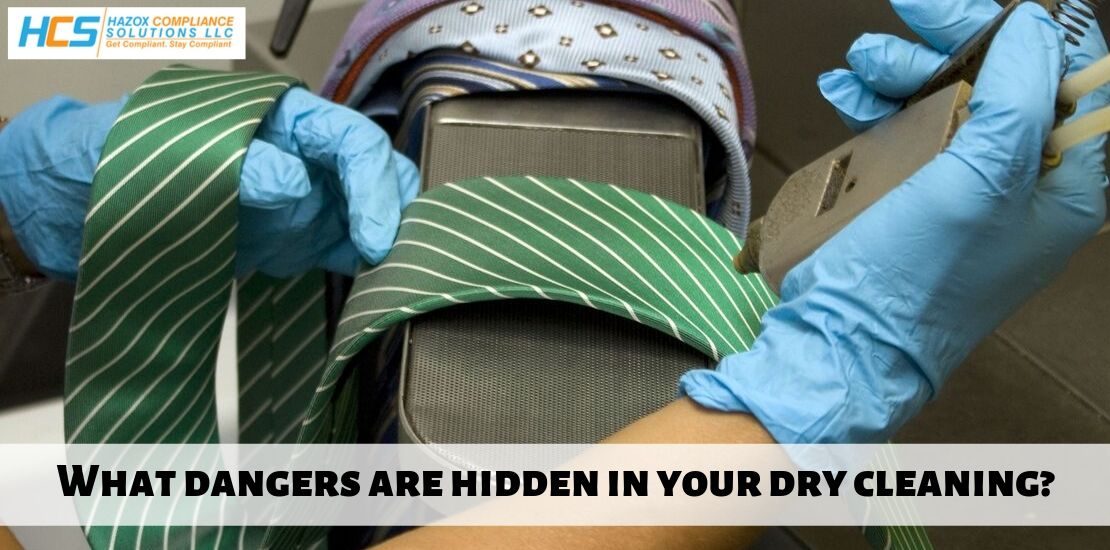
Do you know what dangers are hidden in the seemingly harmless dry cleaners? Many of the garments we dry-clean are cleaned using a substance known as PERC, a known carcinogen potentially dangerous to the consumer.
PERC is short for Perchloroethylene, a colorless volatile organic solvent used in dry cleaning. Although PERC is very effective in dissolving stains and dirt from the clothing, it also presents health risks if not handled properly.
The Environmental Protection Agency (EPA) considers PERC a toxic air pollutant, and states in official documents found on its website that it is one of the volatile pollutants present in U.S. groundwater.
According to the National Institute for Occupational Safety and Health (NIOSH), the PERC is an “occupational carcinogenic potential,” while the International Agency for Research on Cancer (IARC) has designated the PERC as a “probable human carcinogen.
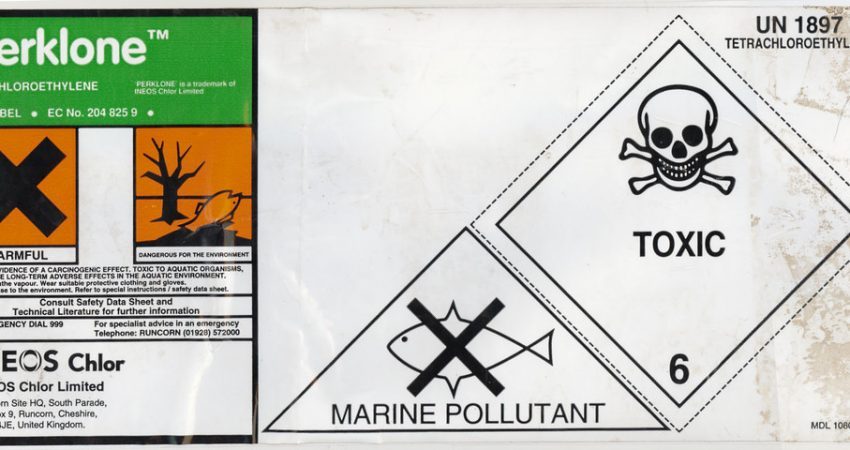
Since the 1930s, PERC has been the industry standard for cleanliness: about 80% of U.S. and Canadian dry cleaners currently use PERC. However, its effectiveness as a cleaning agent has some drawbacks. If not handled properly, PERC can penetrate through almost any surface, including concrete, and can even seep into groundwater. Dry cleaners are required by federal law to treat PERC as a hazardous waste, and if handled improperly, the solvent poses a risk to both people and the environment.
If your dry cleaner uses this chemical to treat your clothing, it is very likely that you will be exposed to it to some degree through inhalation or skin exposure. The effects of direct exposure to this chemical can cause erythema, dermatitis blisters; other common side effects include dizziness, headaches, drowsiness, nausea and irritation of the skin and respiratory tract.
The risks present themselves both to personnel working in facilities facing an increased incidence of cancer, and damage to the nervous system and brain; and to consumers who are exposed to skin or respiratory irritations by absorption through the skin or inhalation of gases. Although the dry cleaning industry has improved control of PERC in recent years, largely thanks to advances in machine design and equipment technology, PERC remains a dangerous factor not only for workers, but also for the environment.
Do I have any other options?
The certainty that PERC causes cancer and groundwater pollution has prompted the dry-cleaning industry to look for healthier and more environmentally friendly alternatives. Other cleaning methods, such as wet cleaning or the use of CO2, are currently being introduced. In both cases, excellent results can be observed, such as in cleaning such as PERC.
Although they may be safer for workers and less dangerous for the environment, these alternatives are not economically viable for most small dry cleaners. There are also other options such as propylene glycol ethers that are less toxic but are highly flammable or combustible, so they require additional equipment and safety precautions for safe use. The best option offered by dry cleaners for cleaning garments at this time is wet cleaning.
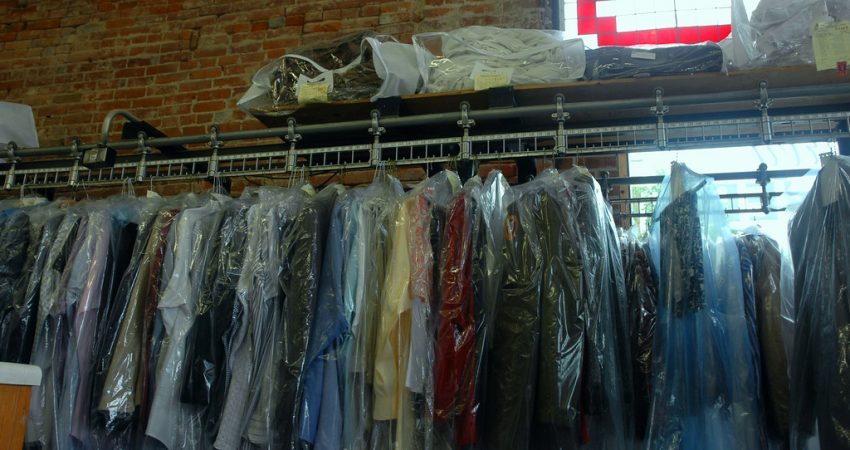
Wet cleaning uses soap and water and computer-controlled equipment to regulate the garment’s exposure to the combination of heat, water, and detergents. Because exposure to water can cause some fabrics to shrink during the cleaning process, garments are remodeled using finely calibrated specialized equipment to safely and effectively restore garments to their original shape and size.
Another advantage of wet cleaning is that the waste wash water contains no hazardous chemicals and can be disposed of directly in the drain. Dry cleaning with PERC requires an additional process to recover solvents before disposing of the cleaning by-products. Given all this information, it is a good idea to research facilities in your community that offer sustainable and safe cleaning methods to support the industry in moving in the right direction and thus establish new environmental and safety standards beneficial to all.