
- January 10, 2020
- Posted by: admin
- Category: Blogs
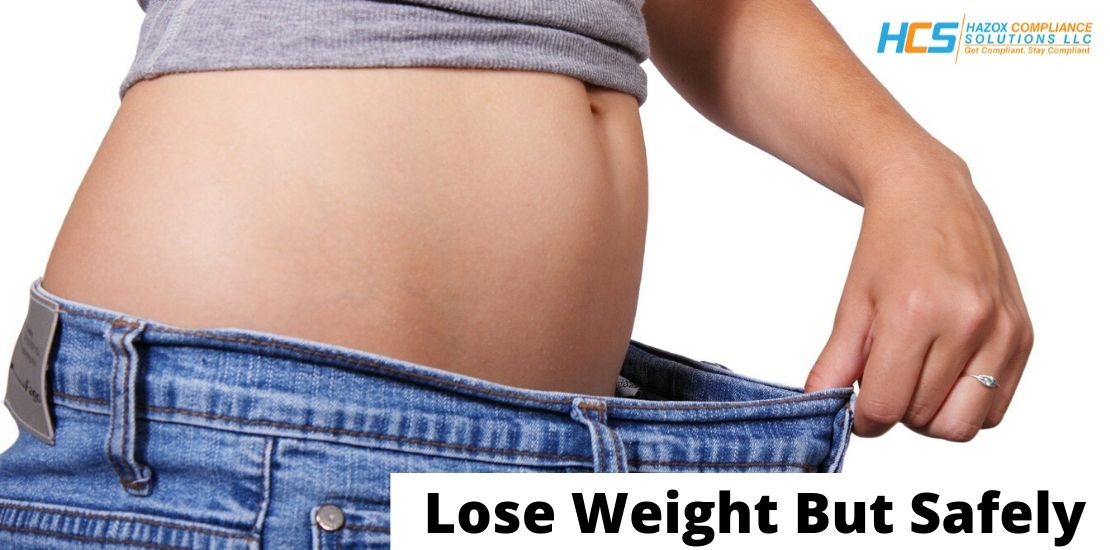
Just days after the end of 2019, the list of new year´s resolutions seems to be imposed as a necessity in the midst of a growing virtual community and social networks. Among these, one stands out (for its frequency and that is common for almost all social groups, gender and age groups) to lose weight or stay in the ideal range!..
We are living in a world full of people who are overweight or obese, conditions that cause more deaths than malnutrition itself, according to the opinion of the world health authorities. In fact, the number of overweight people has risen from 1.9 to more than 2 billion, while those affected by obesity far exceed 650 million [1,2]. And this is only in adults.
In children and adolescents, the issue is no less serious. The WHO in the aforementioned report indicates that, by 2016, 41 million children aged under 5 were affected by being overweight or obese. Including teenagers, the number amounts to 340 million people who must face the effects and consequences [1].
These figures represent almost 30% of the world population. The number of weight-associated deaths, which is around 3 million per year, should be added to these metrics, and the reduction in life expectancy, as well as the perceived quality of life deterioration [2], should also be added.
Therefore, seeking a remedy to the problem seems necessary and humanly understandable. What is worrying is that fast or unsafe routes are used, which include the consumption of weight loss substances without a prescription or without proper professional supervision.
But our interest is the risks associated with the use of certain substances or mixtures, which we will briefly review these with respect to people´s health.
“Mirror Mirror”
We have grown in a world where beauty is an important aspect, according to certain measures, and as important as health. Our grandmothers often criticized our mothers if they did not try to make the vision of a “chubby” child real according to their health ideal. In the middle of everything, the market was changing, and organic and fresh products gave way to processed and frozen foods.
Thus, the pattern of consumption of the ordinary person varied, with it, carbohydrates and saturated fats sat on the table of satisfied diners. But the mirror was not wrong! And every so often, it reminded you that you are far from the ideal weight. That you were no longer the prettiest of the kingdom!
And then there are the old merchants who went from town to town offering miraculous cures to a variety of ailments. Now with new media presence and supported by large corporations, they began to offer remedies to overcome this “mirror syndrome”, and the dissatisfaction that comes from it.
Infusions, teas and pills have become part of the daily routine in the lives of many people around the world. After this, the “miraculous surgeries” that cure obesity and its effects soon came to light. But it is not about diets or surgeries that we will deal with, but about the risks of using the slimming substances or mixtures.
Many of these are classified as natural and medications. Naturally, any substance or mixture that promotes weight loss through the reduction of body fat [3] is understood as such. That is the target when indicating a program to lose weight or maintenance, whatever the mechanism of action, but these should not be considered a slimming aid despite the weight loss that they can cause.
In fact, in the opinion of the expert Assumpta Caixás, of the Obesity Group of the Spanish Society of Endocrinology and Nutrition (SEEN), [3]:
“Fat burning pills … have not proven effective enough to be recommended … There is no effective treatment if habits are not changed and a good diet and regular physical exercise plan is maintained. Often, these remedies are pills with diuretic or laxative effect that do lose weight. But all that reduces is not gold: It is a loss of water that will recover in a few hours, which may have undesirable side effects on health. Losing weight is losing body fat “
And doing so implies changes in dietary and life habits. And in extreme cases, obesity in all its forms, the timely and continuous intervention of specialists in the management of overweight becomes a necessity. So, the best intervention is still prevention or management by a multi-professional team.
A look at weight loss products
In the category of natural remedies, that is, those that do not carry any type of additive or processing that alters their nature, the list is long. Just put the word in your favorite search engine and you will see the amount of information you get in response.
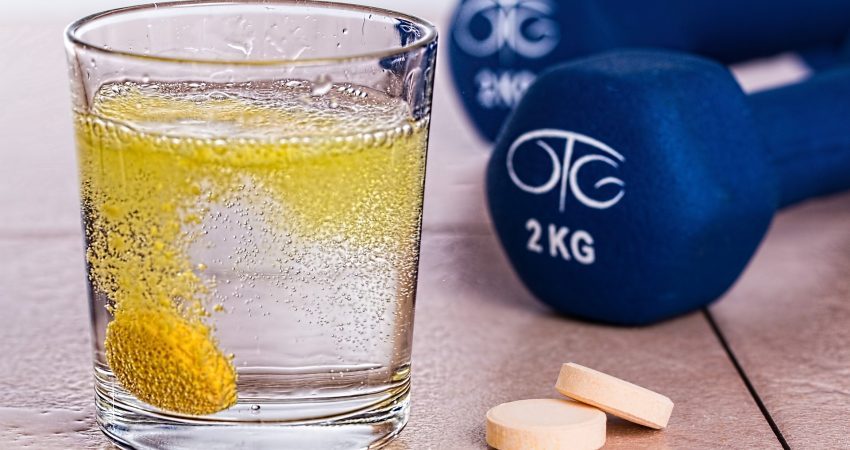
Just as an example, a page that specializes in the promotion of pharmaceutical products, including natural slimming, there are examples such as red tea (detoxifying and depurative), mint (detoxifying and increasing digestive metabolism), horsetail (detoxifying, anti-bloating and anti-flatulent) ), cinnamon (reduces appetite, improves metabolism), artichoke (weight reducer), aloe vera (detoxifier, natural digestive), ginseng (natural energizer, reduces the need to consume sweets), among others [4].
Pablo Cubi, in an interesting article, emphasizes that these products are adjuvant to the treatment and should always be in the charge of specialists. In the same way, it organizes them according to the mechanism of action, in alternatives to “combat fluid retention, swelling or burn fat” [5].
Some alternatives are as follows: green coffee, fucus, beans, garcinia, gymnema, hoodia gordonii, star anise, fennel and cumin [5]. And the list goes on…
If you are looking for “supplements and herbs for weight loss”, new products are now available such as chitosan (sugar derived from the shell of crustaceans, which is promoted as a fat blocker), chromium picolinate (improves the action of Insulin has a satiating effect, reduces body fat, increases caloric expenditure and increases muscle mass), conjugated linoleic acid (reduces body fat and increases muscle mass) [6].
To all of the above, we can also add the following; glucomannan (fiber derived from the konjac plant, inhibits fat absorption), green tea extract (with satiating effect, increase in caloric expenditure and metabolism). In the same way green coffee extract, guar gum (with satiating effect), hoodia, ephedra, 7-ketodehydroepiandrosterone (7-keto-DHEA), etc., [6] should be considered.
Finally, there are weight loss pills that are classified into three groups; stimulants, supplements, and approved weight loss medications.
The first group of pills include all those that generally contain caffeine, or other stimulants, and are designed to accelerate the metabolism. The same mechanism of action includes dietary supplements, many of them described in previous paragraphs.
Finally, the drugs that are approved are orlistat (reduces the absorption of fats), lorcaserin (which acts at the level of serotonin receptors in the brain, conditioning the feeling of satiety), qsymia (combination of phentermine and topiramate , acts as appetite reducer and with satiating effect), contrave (combination of naltrexone and bupropion, widely used in medical practice in the management of addictions and depression) and, liraglutide (which produces satiety, fullness) [7] .
Risks are risks, no matter if they are natural products or not
With regard to the risks, the first thing to note is that there is no substance or mixture free of them. Because a product is natural, it does not mean that it cannot cause any adverse effects.
Another thing that should not be forgotten is the issue of effectiveness. So far the existing evidence is inconclusive as to the effects of many of the alternatives to lose weight and that is important to take into account. Moreover, it is important to consider the risk / benefit balance prior to the use of the product.
Regarding specific risks, based on what Ratini expressed [6], it is possible to point out:
1) The issue of sensitivity to the product or any of its components is a constant. This is the case of chitosan, for example, which should be avoided by anyone who has a history of allergy to shellfish, crustaceans or allergies in general.
2) Other risks may be in the case of chromium picolinate, specifically: insomnia, irritability, difficulty thinking or headache if consumption exceeds 35 micrograms per day. Similarly, it should be noted that long-term consumption of conjugated linoleic acid could cause insulin resistance and thus trigger a type 2 diabetes.
3) Some of these alternatives may interfere with the absorption of nutrients or medications, in the case of glucomannan.
4) In the case of green tea extract, in large quantities, it can cause nausea, vomiting, bloating, gas, dehydration, dizziness, diarrhea, insomnia, agitation.
5) Green coffee extract can cause, due to its caffeine content, tachycardia, insomnia, headache, stomach ache, among others. Among others.
Bubnis [7] reminds us that:
“Weight loss supplements can cause serious side effects, so it is important to talk with your doctor before consuming them. In the same way, the prescribed medications for weight loss should be taken into account, although they may be beneficial for some, in others it can cause adverse effects ”…
So, losing weight safely means…
Include changes in lifestyle, this involves taking simple actions in our lives such as having frequent breaks in the work routine to walk or stretch for a few minutes, use a standing desk, park the vehicle in a place distant from work to thus being forced to walk, use walking or cycling as an alternative to the vehicle, do sports or a recreational activity that involves some physical work [7].
Similarly, dietary changes are imposed in order to reduce caloric intake and promote calorie expenditure, without deterioration in health.
Doing all this puts us on the path indicated by the American Diabetes Association [8] which, in terms of weight reduction, promotes:
- “Back to basics.” Which is the same as finding a balance between daily physical exercise, healthy eating and self-control?
- “Know why you eat.” In other words, if it is true that many eat for anxiety and not for hunger, then it is time to make a conscious habit of eating when you are really hungry and within the suggested deadlines.
- “Stay positive.” Watching what we think and what we say, particularly what is directed to ourselves. Self-image must be reinforced.
And so, the balance sought is reinforced: exercise, healthy diet and self-control.
References
[1] World Health Organization. (February 16, 2018). Obesity and overweight in WHO Health Topics. Recovered from https://www.who.int/news-room/fact-sheets/detail/obesity-and-overweight. Access on January 3, 2020.
[2] World Population Review. (October 24, 2019). Most obese countries 2019 on the World Population Review website. Recovered from http://worldpopulationreview.com/countries/most-obese-countries/. Access on January 3, 2020.
[3] Bisbal, C. (March 30, 2016). Is there really any weight loss pill that works? In The Country Health. Retrieved from https://elpais.com/elpais/2016/03/23/buenavida/1458731752_049405.html. Access on January 3, 2020.
[4] PromoFarma. (March 12, 2018). Lose weight with natural products in PromoFarma Blog. Recovered from https://www.promofarma.com/blog/nutricion-y-dietetica/adelgazar-con-productos-naturales/. Access on January 4, 2020.
[5] Cubi, P. (March 25, 2019). The plants that will help you if you want to lose weight on TVE Know how to live. Recovered from https://www.sabervivirtv.com/medicina-general/plantas-para-adelgazar_548. Access on January 3, 2020.
[6] Ratini, M. (March 9, 2018). Supplements for weight loss in WebMD. Recovered from https://www.webmd.com/vitamins-and-supplements/herbal-remedies#1. Access on January 4, 2020.
[7] Bubnis, D. (January 19, 2019). Natural foods and supplements that burn fat in MedicalNewsToday. Recovered from https://www.medicalnewstoday.com/articles/324200.php. Access on January 4, 2020. [8] American Diabetes Association. (2019). Lose weight for good on the American Diabetes Association website. Recovered from https://www.diabetes.org/fitness/weight-loss. Access on January 4, 2020.